Window Latch Repair: A Comprehensive Guide to Keeping Your Home Secure
Windows are not only necessary for ventilation and natural lighting but likewise play an important role in the security of your home. A faulty window latch can compromise the security of your residential or commercial property, making it susceptible to burglars and environmental components. This thorough guide will walk you through the process of repairing a window latch, making sure that your home stays safe and secure and comfy.
Comprehending Window Latches
Before diving into the repair process, it's essential to comprehend the different kinds of window locks and their functions. Window locks are systems that protect the window in location, preventing it from opening or closing inadvertently. They come in different styles, including:
- Cam Locks: These are commonly discovered on casement windows and supply a tight seal by rotating a handle to engage a locking mechanism.
- Thumbturn Latches: Often utilized on double-hung windows, these latches are simple to operate and supply a basic level of security.
- Move Latches: These are typically discovered on moving windows and consist of a metal or plastic bar that slides into a slot to lock the window.
- Hook and Eye Latches: These are basic mechanisms that involve a hook that fits into an eye to protect the window.
Typical Issues with Window Latches
Window latches can experience a variety of concerns in time, including:
- Wear and Tear: Regular use can trigger the latch to break, leading to loose or ineffective locking.
- Corrosion: Exposure to moisture can cause metal locks to rust, making them tough to operate.
- Misalignment: If the window frame or sash shifts, the lock may not align properly, avoiding it from locking.
- Broken Parts: Components such as springs, deals with, or screws can break, rendering the lock unusable.
Tools and Materials Needed
To repair a window lock, you will require the following tools and materials:
- Screwdriver (flathead and Phillips)
- Pliers
- Wrench
- Replacement Latch (if essential)
- Lubricant (such as WD-40)
- Sandpaper (for cleaning and smoothing surfaces)
- Drill (if changing the latch)
- Screws (suitable size for the lock)
Step-by-Step Guide to Repairing a Window Latch
Recognize the Issue
- Figure out the specific issue with your window lock. Is it loose, stuck, or totally broken?
Check the Latch and Surrounding Area
- Examine the lock, the window frame, and the sash for any indications of damage or misalignment.
- Examine if the lock is effectively aligned with the strike plate.
Tidy the Latch
- Use a soft fabric to wipe away any dirt or debris from the latch and strike plate.
- If the latch is corroded, utilize sandpaper to carefully get rid of rust and then tidy the location with a fabric.
Lube the Latch
- Apply a couple of drops of lube to the moving parts of the lock.
- Move the latch backward and forward to distribute the lubricant uniformly.
Tighten Loose Screws
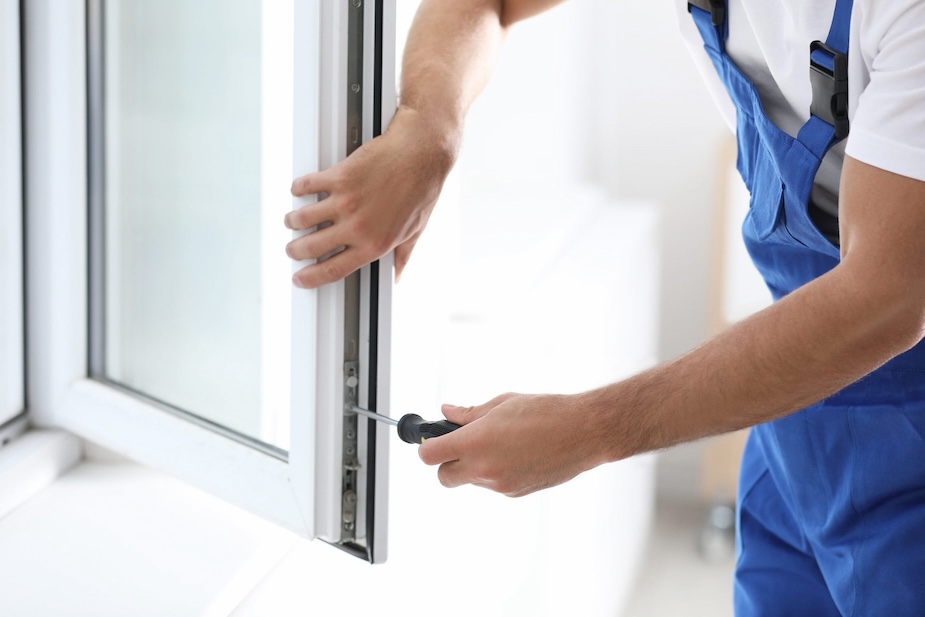
- If the latch is loose, use a screwdriver to tighten the screws protecting it to the window frame or sash.
- If the screws are removed, replace them with longer or bigger screws to ensure a secure fit.
Change the Latch or Strike Plate
- If the latch is misaligned, you might need to change the position of the latch or the strike plate.
- Use a screwdriver to loosen up the screws and reposition the components as needed.
- Tighten the screws once the lock and strike plate are effectively aligned.
Replace the Latch (if essential)
- If the latch is beyond repair, you will need to replace it.
- Remove the old latch by unscrewing it from the window frame or sash.
- Install the brand-new lock by aligning it with the strike plate and protecting it with screws.
- Evaluate the brand-new latch to ensure it operates efficiently and locks firmly.
Test the Latch
- Once the repair is total, test the latch to ensure it is operating properly.
- Open and close the window numerous times to check for smooth operation and secure locking.
Frequently asked questions
Q: Can I repair a window latch myself, or should I hire a professional?A: Many window latch repairs can be done by homeowners with fundamental DIY skills. Nevertheless, if the concern is complex or if you are not comfy with the process, it is best to seek advice from an expert.
Q: How frequently should I lubricate my window locks?A: It is a good practice to lube window latches at least as soon as a year to keep them running efficiently. More regular lubrication might be necessary in areas with high humidity or regular use.
Q: What should I do if my window lock is rusted?A: Use sandpaper to gently remove rust from the latch and strike plate. www.repairmywindowsanddoors.co.uk with a fabric and apply a rust inhibitor to prevent future rust.
Q: Can I utilize any type of lubricant on my window latch?A: It is best to utilize a lubricant specifically developed for metal parts, such as WD-40. Prevent utilizing heavy oils, as they can draw in dirt and dust, which can block the system.
Q: What are the signs that my window lock needs to be replaced?A: If the lock is broken, badly rusted, or can not be gotten used to function effectively, it is likely time to replace it.
A properly maintained window latch is crucial for the security and performance of your home. By following the actions outlined in this guide, you can effectively repair or replace a malfunctioning window lock, guaranteeing that your windows run smoothly and securely. Regular maintenance and prompt repairs can extend the life of your window locks and keep your home safe and comfortable.
If you come across any problems during the repair procedure or if the problem persists, don't think twice to seek the support of a professional. Your assurance and the security of your home are worth the financial investment.